Plain reporting, clear context, no spin
Independent coverage of media, national reports, civic life, trends and analysis, written for readers who want to check the facts themselves and understand what happens next.
Start with national reports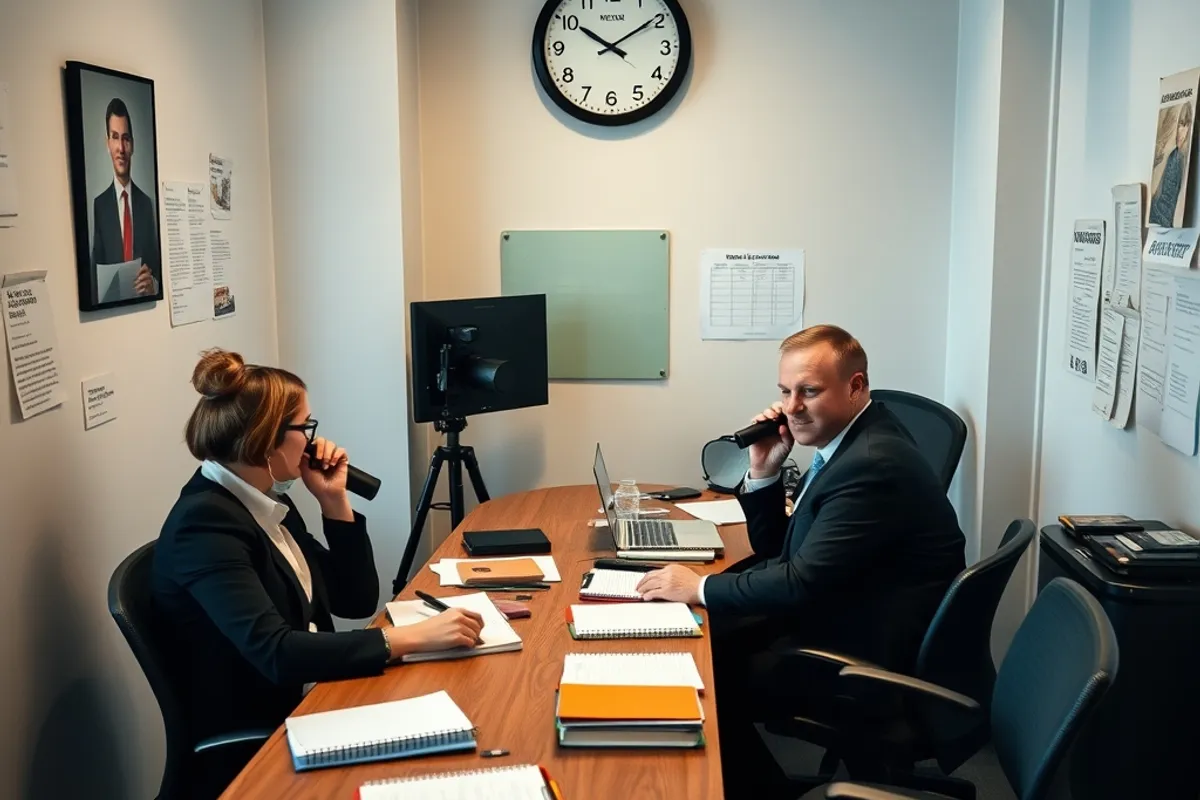
Latest reports

Reports by section
From the desk
Media Coverage 2026: How Small Outlets Earn Trust
Trust in the news is usually discussed as a national problem, but it is built or lost in small rooms. A regional outlet with nine reporters cannot outspend a network, yet it can outperform one on the thing readers notice most: whether a story holds up when they check it themselves. In 2026, with distribution cheap and attention expensive, method has become the only durable advantage a small newsroom has. Read the full report.
Press Releases Journalists Actually Read (and Why)
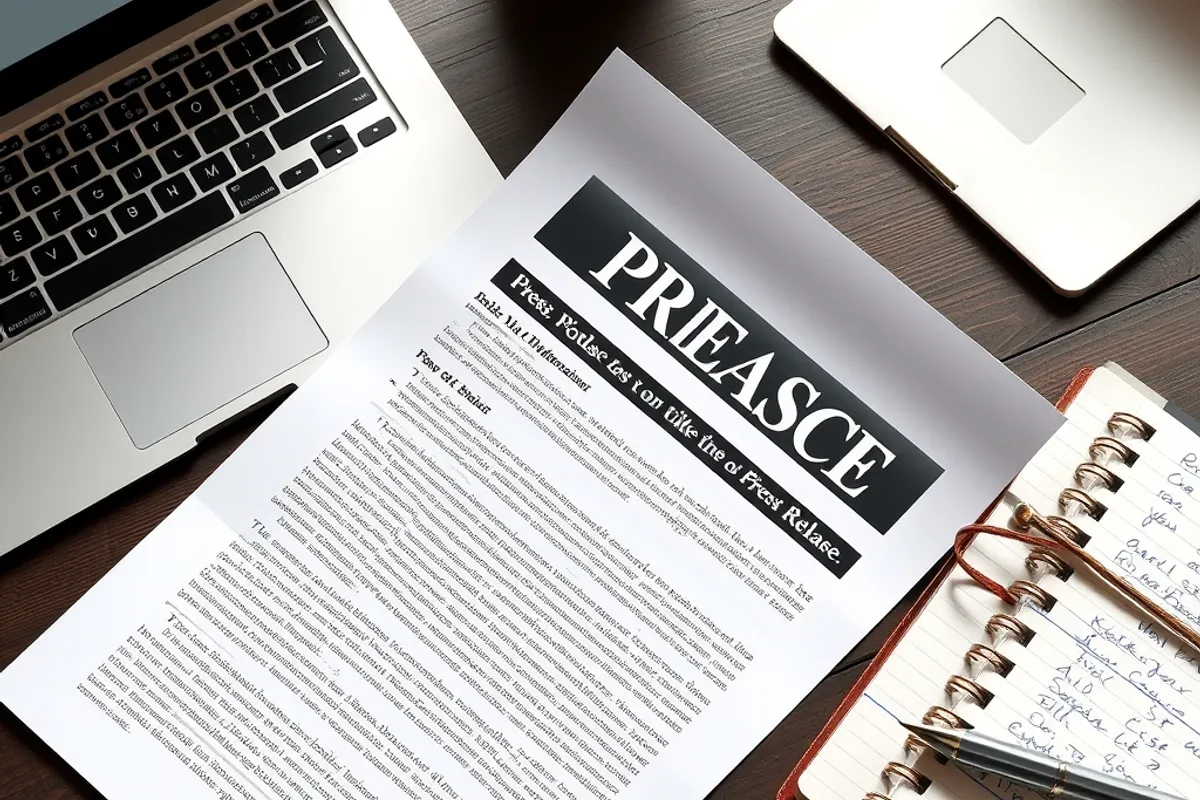
Every newsroom inbox is a landfill with a deadline. On a normal day our desk receives several hundred releases, pitches and follow-ups, and almost all of them are deleted within seconds. That is not a judgement on the sender's work. It is arithmetic. A release has one job: give a busy editor a reason to open it and a way to verify it without a scavenger hunt. Read the full report.
National Reports 2026: Reading Official Data Without Spin
A number can be accurate and still mislead you. National reports arrive as clean tables and confident headlines, but behind every figure sits a definition, a sample, a baseline and often a revision. None of that fits in a caption. If you repeat a statistic without checking those four things, you are trusting the person who chose them, whether or not they chose well. Read the full report.
How a Local Story Becomes National News
Most national stories begin somewhere small: a school board vote, a factory closure, a single arrest, a photograph taken by a neighbor. The journey from that moment to a national front page is not random, and it is not purely meritocratic. Understanding the path explains why some local events become symbols and others, equally serious, disappear. Read the full report.
A Practical Guide to Local Council Meetings in 2026
Local councils make decisions that reach further into daily life than most national debates: whether a bus route survives, how a school is funded, where a new development goes. Yet public comment periods are often empty. The reasons are practical. Meetings are poorly advertised, procedures are unfamiliar and the documents are dense. All of that is learnable in an evening. Read the full report.
Public Records Requests: A 2026 Walkthrough
A public records request is one of the few tools available to any resident, journalist or curious taxpayer with no special status. Done well, it turns a vague concern into a dated document that officials cannot wave away. Done badly, it produces a long wait, a large bill or a polite refusal that is hard to appeal. The difference is mostly in how the request is scoped and written. Read the full report.
Trending Topics 2026: Telling a Real Trend From Noise
Every week produces a topic that looks like it is everywhere. Often it is a spike: a single post, a celebrity quote, a coordinated push that burns bright for 48 hours and leaves nothing behind. A real trend behaves differently. It accumulates, it changes behavior and it survives the moment it stops being novel. Telling the two apart is a skill, not a vibe. Read the full report.
Why News Cycles Move So Fast in 2026
A story that would once have dominated a week now peaks on Tuesday morning and is gone by Wednesday night. The speed is not only a technology story. It changes what gets reported, what gets corrected and what the public remembers. Understanding the mechanics helps you read the news without being pulled along by every wave. Read the full report.
News Analysis 2026: Separating Fact From Framing
Framing is not the same as lying. A story can contain only accurate facts and still leave a reader with a misleading impression, because framing decides which facts appear first, which are left out and which words carry the emotional weight. Learning to see the frame does not require assuming bad faith. It requires noticing the choices that every piece of writing makes. Read the full report.
Reading Budget News: Follow the Money in 2026
Budget stories are where journalism and arithmetic meet, and where readers are most often invited to react to a number without being told what it means. A headline can announce a record investment, a painful cut or a surprise surplus, and all three can be true of the same document depending on the year, the baseline and the accounting. Following the money is a method, not a slogan. Read the full report.
How dagmarrymasz reports
Every dagmarrymasz piece starts with the document, not the press release. We read the agenda, the budget line, the court filing or the study; we check the numbers against the original table; and we name what we could not verify. Where a story depends on a source, we explain what that source can and cannot confirm.
We accept no sponsored placements and rank nothing for pay. Our method is simple: primary sources first, independent confirmation where possible, corrections in public, and plain language throughout. When a claim does not hold, we print the gap. Read our approach on the about page, verify public numbers at the federal open-data portal, and check official statistics at the US Census Bureau.