Telling a Real Trend From Noise in 2026

Every week produces a topic that looks like it is everywhere. Often it is a spike: a single post, a celebrity quote, a coordinated push that burns bright for 48 hours and leaves nothing behind. A real trend behaves differently. It accumulates, it changes behavior and it survives the moment it stops being novel. Telling the two apart is a skill, not a vibe.
Look at who, not just how many
Volume hides concentration. A topic can reach a million impressions from a few hundred accounts that all share the same audience. That is amplification, not adoption. A real trend crosses groups: it appears among people who do not follow each other, in different regions and in different contexts. If the conversation stays inside one network, treat it as a signal about that network rather than about the wider public.

Time is the filter
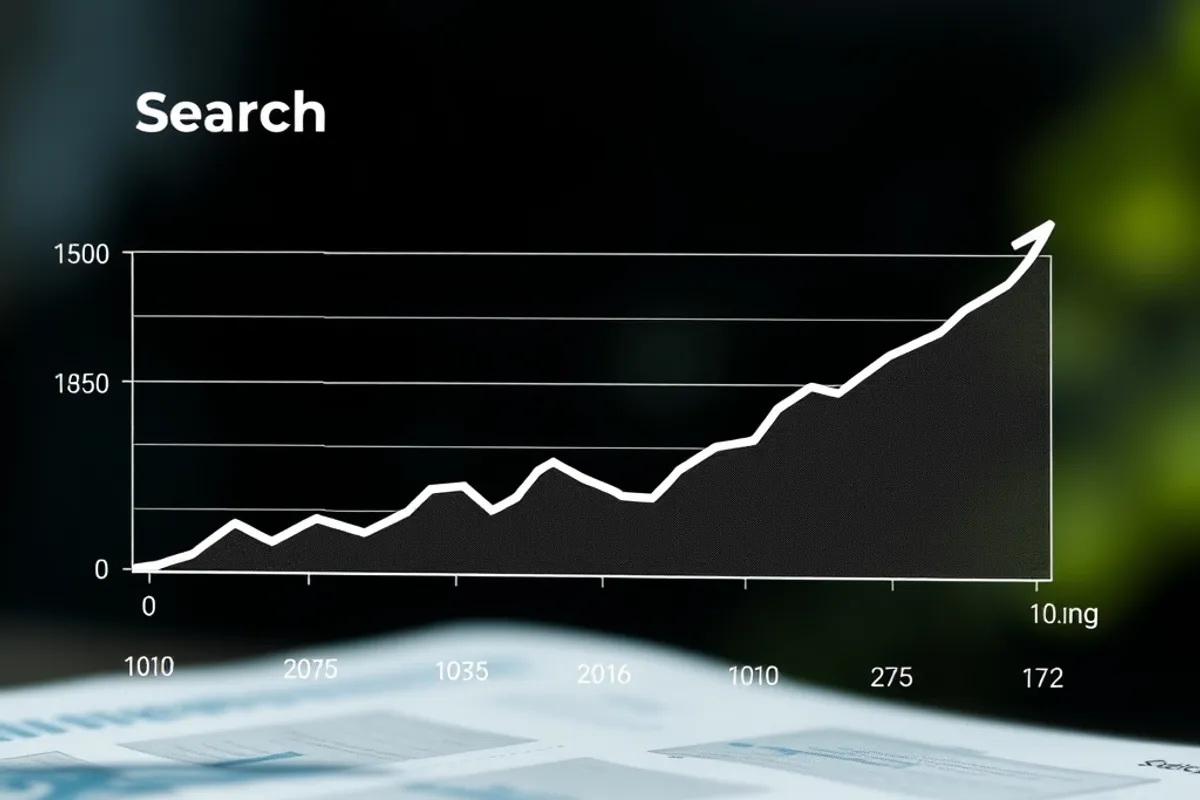
The simplest test is persistence. Check the same topic after a week and after a month. A trend may dip and recover as new information arrives, but the underlying interest remains. A spike collapses and does not return unless someone deliberately restarts it. Plot the curve and look for a floor, not just a peak. Slow, steady growth is usually more meaningful than a dramatic vertical line.
Seasonality can fake persistence. A topic that rises every year at the same time is real but not new. Compare against the same period last year before you call something a shift. If the pattern repeats annually, the story is about the cycle, not about a change.
Behavior beats attention
Attention is cheap; behavior is expensive. Do people change what they buy, how they work, where they gather or what they ask officials for? A hashtag can trend without changing anything. A quiet increase in applications, attendance or sales tells you the idea has moved from talk to action. Look for the second-order evidence: search queries with buying intent, registrations, local meetings, job postings, policy changes.
Beware the dashboard
Platform dashboards are designed to show movement, and movement is easy to manufacture. Impressions count a scroll, not a read. Follower growth can be bought. A sudden surge in mentions may come from a single automated campaign. Cross-check with an independent source: search data, direct traffic, on-the-ground reporting or a second platform with a different user base. If the trend is real, it should appear in more than one place.
Also check the denominator. A 300 percent increase from three mentions to twelve is technically true and practically meaningless. Report absolute numbers alongside percentages, and say what the baseline was. The smaller the base, the less a percentage tells you.
"A spike tells you what captured attention this hour. A trend tells you what people kept doing after the notifications stopped."
When a trend is manufactured
Some trends are real but engineered: a coordinated campaign creates the appearance of grassroots interest. The tell is often in the timing and the language. Near-identical phrasing across accounts, a burst within minutes and a sudden stop are signs of orchestration. That does not automatically make the underlying concern fake. It means you should report the campaign as a campaign, separate from the number of ordinary people who share the view.

Reporting a trend without overclaiming
Describe the evidence, not the vibe. "Mentions rose from 4,000 to 19,000 over three weeks, driven by 12 large accounts, and searches for the term doubled" is a claim a reader can evaluate. "The internet is obsessed" is not. Name the platform, the period and the metric. If the trend is limited to one community, say so. Precision makes the story more credible, not less interesting.
Finally, ask what would falsify the trend. If you cannot imagine evidence that would change your mind, you are not analyzing, you are narrating. Set a check-in date and revisit the data. Trends that survive scrutiny are the ones worth writing about.
The bottom line
Check who is talking, whether it lasts, whether behavior changes and whether a second source confirms it. Ignore impressive percentages built on tiny baselines. For more, read our guide to why news cycles move so fast and browse the Trending Topics section.