Why News Cycles Move So Fast in 2026

A story that would once have dominated a week now peaks on Tuesday morning and is gone by Wednesday night. The speed is not only a technology story. It changes what gets reported, what gets corrected and what the public remembers. Understanding the mechanics helps you read the news without being pulled along by every wave.
Distribution collapsed the delay
When publishing meant printing, a story had a natural pause between the event and the page. That pause was where checking happened. Now a post can reach millions before an editor has spoken to a second source. The removal of the delay is not inherently bad: it has exposed abuses that would once have stayed hidden. But it removes the slack that accuracy depends on, and newsrooms have not fully replaced it.

Competition rewards the first version
Audiences reward speed with attention, and platforms reward attention with distribution. That incentive pushes every outlet toward the earliest possible version of a story, which is usually the least verified. The correction arrives later, when few are watching. Over time, the first version becomes the memory, even if it was wrong. This is one reason a dramatic claim can outlive its retraction.
The outlets that resist usually do so deliberately: they publish what is confirmed, label what is not, and keep updating the same URL rather than starting a new story for every twist. Updates do not travel as well as fresh posts, but they leave a better record.
Attention has a shorter half-life
Speed also compresses the follow-up. Investigations take weeks; the cycle gives them days. A story that requires documents, court filings or months of reporting often arrives after the public has moved on. That mismatch is a structural problem, not a failure of curiosity. Readers can partly correct for it by bookmarking a topic and returning after the noise settles, when the reporting that took time is finally published.
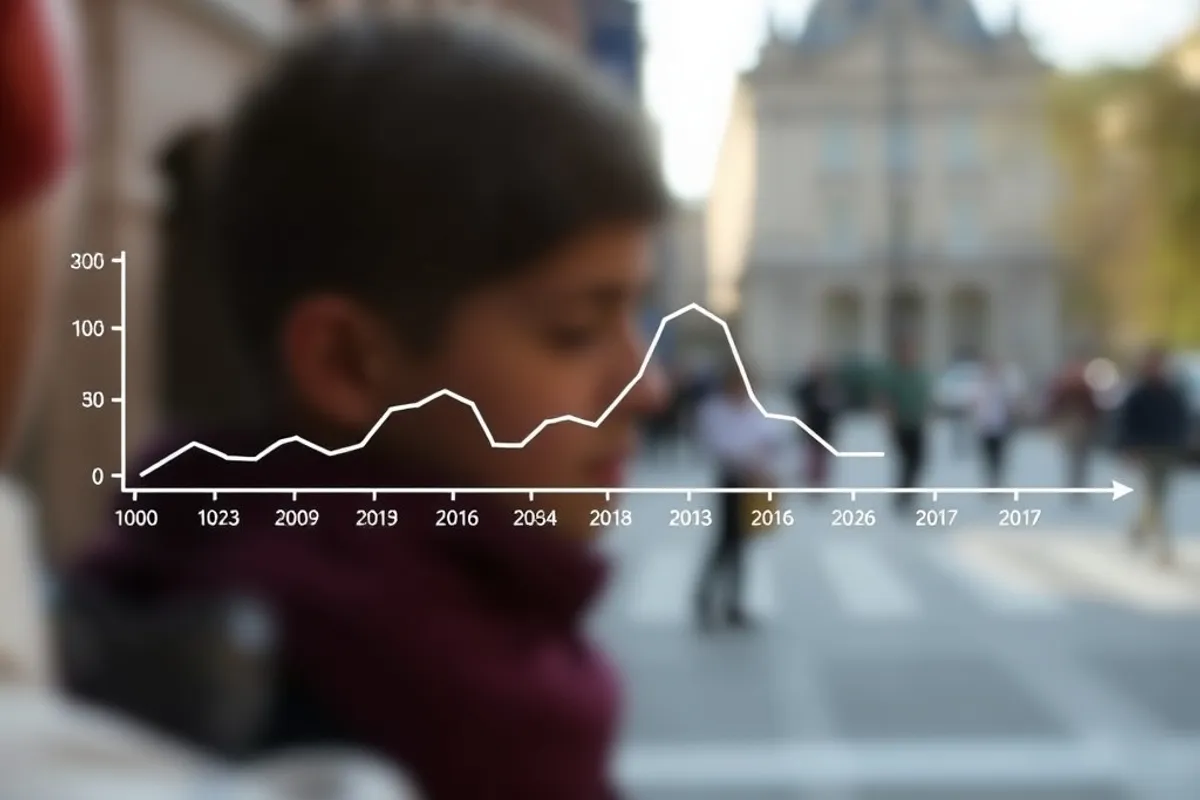
What speed does to memory
When stories vanish quickly, the public remembers headlines rather than outcomes. A policy announced with fanfare may never be implemented, but the announcement is what sticks. A crisis that fades from the feed may still be ongoing for the people affected. This is where slower, local reporting becomes valuable: it stays with the story after the national cycle has ended.
Search and archives matter here. A story that is updated rather than replaced leaves a trail. A story that is deleted or rewritten without notice creates a gap. If you rely on the news to understand a sequence of events, favor outlets that keep their record visible, including corrections.
"Speed is not the enemy of accuracy. Speed without a place to slow down is."
How to read a fast cycle
Delay your first reaction. Read two outlets with different incentives and compare what each attributes and to whom. Look for the timestamp and the update log. Treat a single anonymous source as a reason to wait, not a reason to share. If a story claims a major change, check whether the underlying document exists. These habits take minutes and prevent most of the errors that spread during a peak.
Then come back. Set a reminder for a week later and see what survived. The follow-up often contains the correction, the context or the outcome that the first wave could not. Reading the second week is a different skill from reading the first hour, and it is the one that produces real understanding.

The bottom line
Distribution removed the pause, competition rewards the first version and attention moves on before the reporting is finished. Slow down deliberately, compare sources and return for the follow-up. For more, read our guide to telling a real trend from noise and browse the Trending Topics section.