Public Records Requests: A 2026 Walkthrough
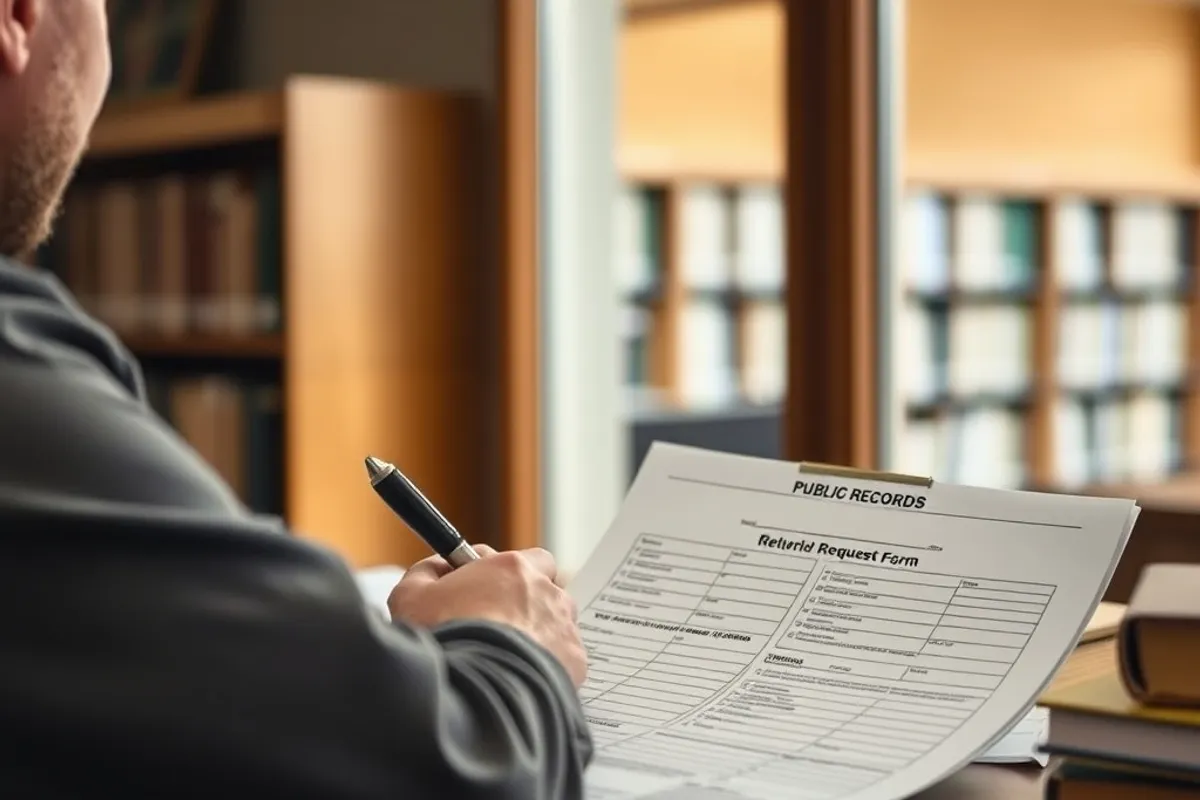
A public records request is one of the few tools available to any resident, journalist or curious taxpayer with no special status. Done well, it turns a vague concern into a dated document that officials cannot wave away. Done badly, it produces a long wait, a large bill or a polite refusal that is hard to appeal. The difference is mostly in how the request is scoped and written.
Know what is covered
Records laws vary by country and state, but the principle is similar: records created or held by a public body in the course of official business are generally available unless a specific exemption applies. Emails, contracts, calendars, invoices, inspection reports and meeting recordings often qualify. Drafts, personal notes and some personnel or security material may not. Read the relevant law's summary before you write, so you ask for the right category and do not hand the agency an easy reason to refuse.
Write a narrow, specific request
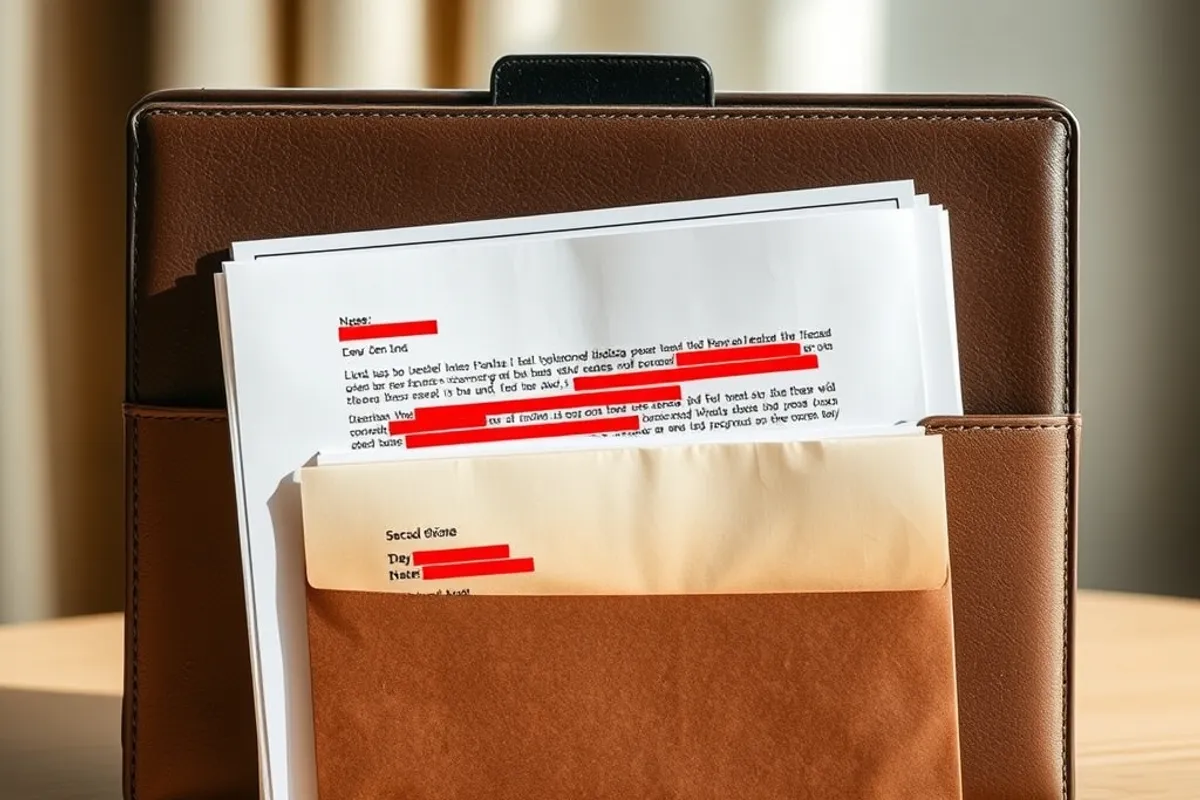
Name the exact records and a bounded time period. "All emails sent or received by the parks director between 1 March and 31 May 2026 mentioning the Riverside contract" is far better than "all documents about parks." Include the format you can use, such as searchable PDF or native email files. Ask for records, not answers: "all inspection reports for the building at 14 Mill Street from 2024 to 2026" is answerable, while "why was the building not inspected" is a question the agency can decline to treat as a records request.
If you are unsure what exists, ask for an index or a list of record series first. That can save a costly fishing expedition. It also signals that you understand the process, which tends to produce a more cooperative response.
Send it the right way
Use the agency's stated channel: a portal, a form or a named records officer. Keep a copy of everything, including the timestamp. Ask for written acknowledgement and a tracking number. If the law requires a response within a set number of days, note that date in your calendar. A brief, polite follow-up on day one after the deadline is usually enough to move a stalled request without turning the exchange hostile.
Fees, redactions and delays
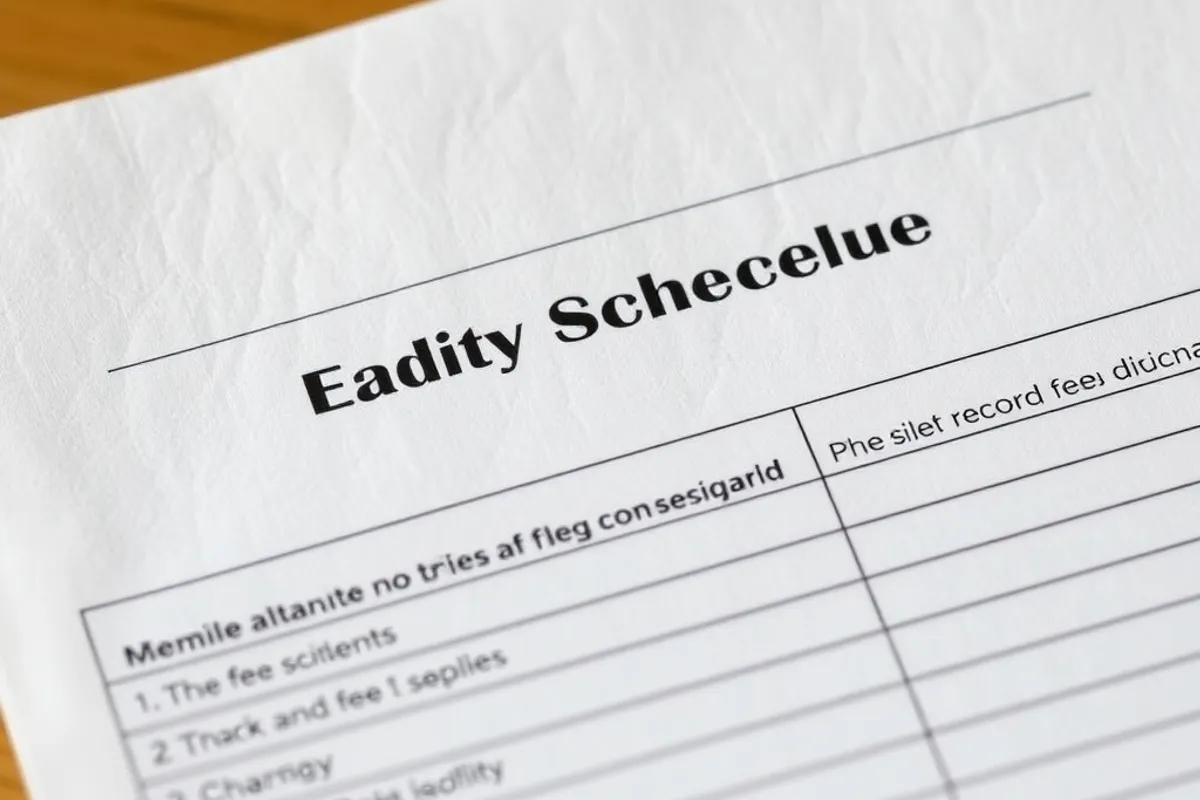
Agencies may charge for search and copying, and the estimate can be large if the request is broad. Ask for an itemized estimate before work begins and be ready to narrow the scope. You can often reduce cost by asking for electronic copies, limiting the date range or accepting a sample of records first. Redactions are normal; the agency should cite the exemption for each one. If a redaction looks wrong, ask for the legal basis in writing.
Delays are common, especially for email searches that require IT staff. Keep a log of every contact and every promised date. If the agency misses a statutory deadline, a short written reminder that cites the deadline and asks for a new completion date is more effective than an angry email. If that fails, the appeal process is your next step.
"A records request is not a conversation. It is a dated demand for documents that already exist, and the paper trail is the whole point."
How to appeal a denial
A denial should state the exemption it relies on. Read that exemption and compare it with what you asked for. Sometimes the agency has applied it too broadly, or withheld an entire document when only a small part was exempt. Write a short appeal that quotes the law, explains why the record falls outside the exemption and asks for a review. Keep it factual. If the law provides an independent review body, use it and send copies of your original request and the denial.
What to do with the documents
Read the documents against the timeline you already have. Look for gaps, changed figures and decisions made before the official meeting. Cross-reference names and dates. The story is often not in a single smoking-gun email but in the sequence: a cost estimate revised after a contract was awarded, or an inspection report filed late. Publish or share the key pages with enough context that others can check your reading.
Redact personal information before you publish, and be careful with records about private individuals. The public interest in a contract is usually clear; the public interest in a neighbor's complaint may not be. Use judgement, and when in doubt, describe the document without reproducing sensitive details.
The bottom line
Scope the request tightly, send it through the official channel, track the deadline and appeal with the law in hand. Records are a slow tool, but they are one of the few that produce something an official cannot deny saying. For more, read our guide to local council meetings and browse the Civic Matters section.