A Practical Guide to Local Council Meetings in 2026
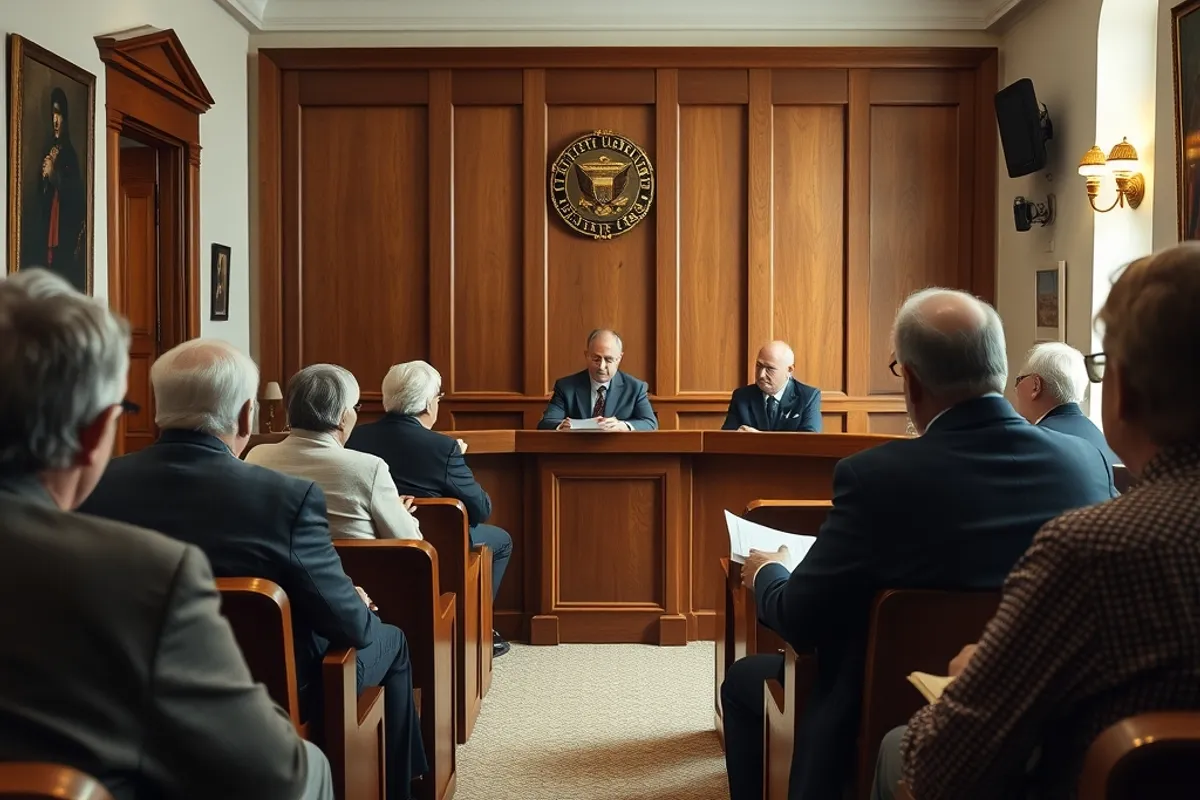
Local councils make decisions that reach further into daily life than most national debates: whether a bus route survives, how a school is funded, where a new development goes. Yet public comment periods are often empty. The reasons are practical. Meetings are poorly advertised, procedures are unfamiliar and the documents are dense. All of that is learnable in an evening.
Find the meeting and the paper
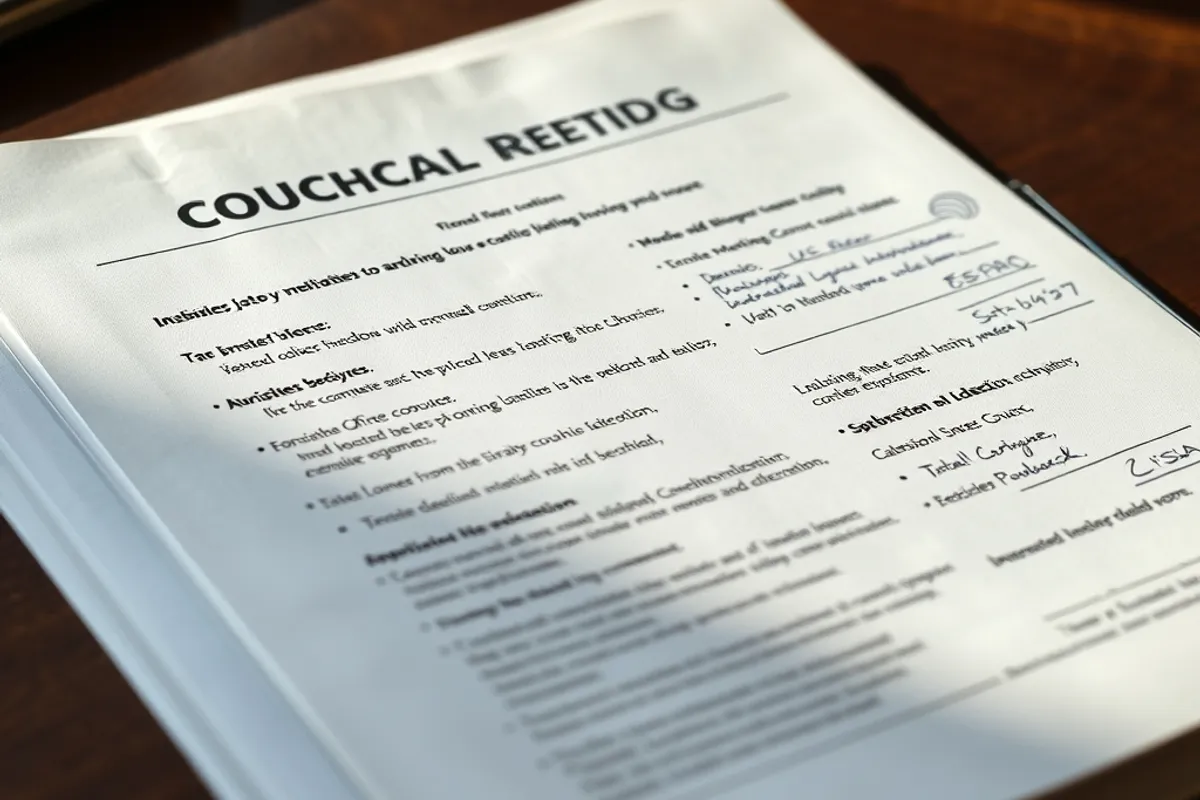
Start with the council's website, not social media. Look for a meetings calendar and a packet or agenda. The packet is where the real information lives: staff reports, cost estimates, maps and the exact wording of a motion. Read the item you care about before you go. It is common for a decision to look different in the summary than in the staff report. If the documents are hard to find, call the clerk's office and ask for the direct link. That call also tells you whether a meeting will be streamed or recorded.
Understand the shape of the meeting
Most meetings follow a fixed order: approval of past minutes, public comment, reports, then items for decision. Public comment is usually at the start, and each speaker gets a short, fixed time, often two or three minutes. You do not need to be an expert to speak, but you do need to be brief. Check whether speakers must sign up in advance. If they do, arrive early or register online the day before.
The vote is not the only moment that matters. Discussion among members often reveals which way a decision is leaning, and questions from the council can surface facts that were not in the packet. Take notes on who asks what. That record is useful when you follow up.
Ask a question that gets answered
The most effective public comments share a structure: state your connection to the item, give one verified fact, and make one clear request. For example: "I live on the affected route and I use the 7 a.m. bus to work. The staff report shows ridership fell 4 percent, not 40. Please ask staff to separate school-hour trips before voting." This gives officials something specific to respond to and makes your point hard to brush aside.
Avoid speeches that cover ten issues. A single, well-documented point is more likely to be repeated back in the discussion. If you have documents, bring copies for the clerk and reference the page number. If you are representing a group, say how many people you speak for and how you know.

What to do when you are not heard
Public comment is not a debate, and officials are not obliged to agree. The useful next step is the written record. Ask the clerk how to submit a written comment for the file, and send it within the deadline. Written comments are often read by staff even when they are not discussed in the room. Then check the minutes to see how your point was recorded, and ask for a correction if the summary is inaccurate.
If the decision goes against you, find out which body or which meeting controls the next step. Many local processes have appeals, follow-up votes or budget cycles. The people who win over time are rarely the loudest in one meeting; they are the ones who return with the same documented point at each stage.
"You do not need to win the room. You need one clear fact in the record that the next decision has to answer."
Follow the money and the minutes
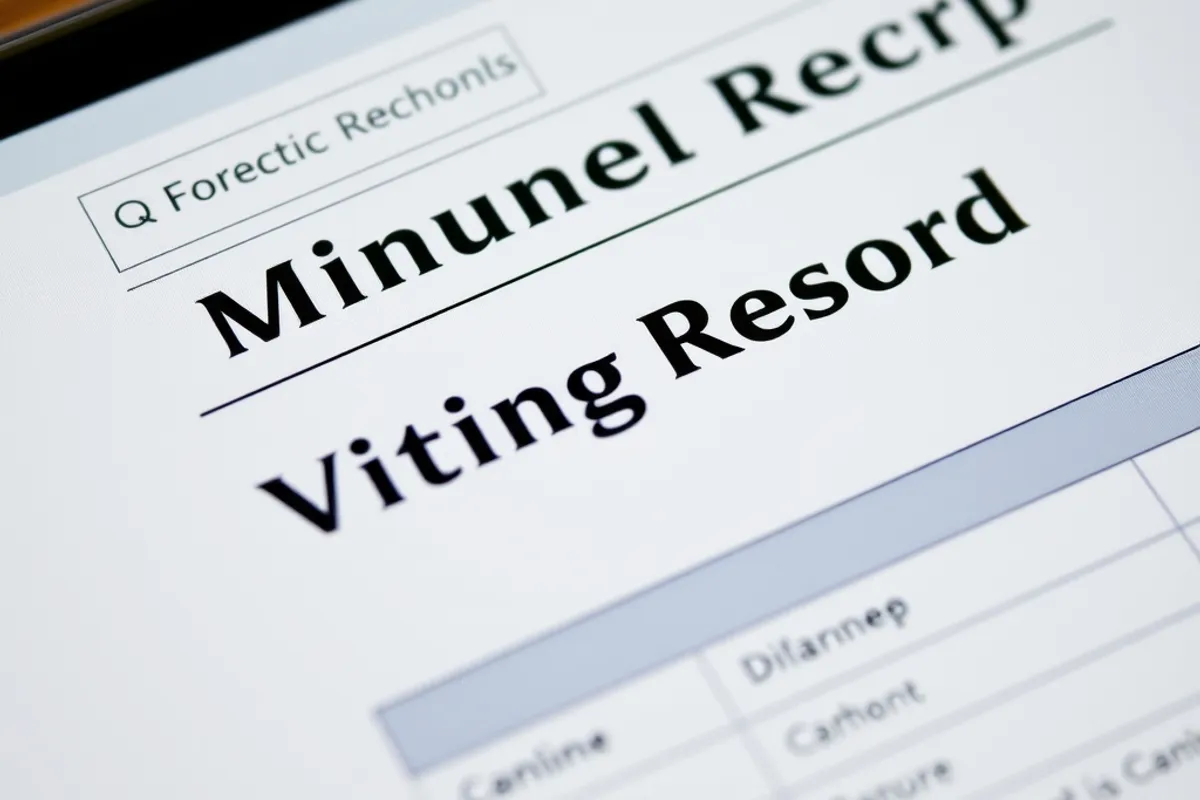
After the meeting, read the minutes and the voting record. Minutes are a summary, not a transcript, so compare them with your notes. If a vote is not recorded by name, ask whether it can be. A named vote creates accountability that a voice vote does not. Then follow the item into the next budget or implementation report. Many decisions are approved in principle and quietly changed during delivery.
Bring one other person
The single easiest way to increase influence is to not be alone. Two residents asking the same documented question is harder to dismiss than one. Three is a pattern. You do not need an organization. A neighbor, a parent from the school, a shop owner on the affected street: each adds a perspective and a reason for officials to take the item seriously.
Meetings are also where you learn who else is working on the issue. The person in the next seat may have the document you need or know which committee handles it. Introduce yourself after the meeting. Most civic work is built in those short conversations, not in the speeches.
The bottom line
Read the packet, speak briefly with one documented fact, submit it in writing, then follow the minutes and the money. Local power is not mysterious; it is procedural, and procedure can be learned. For more, see our guide to public records requests and the rest of our Civic Matters section.