Separating Fact From Framing in 2026
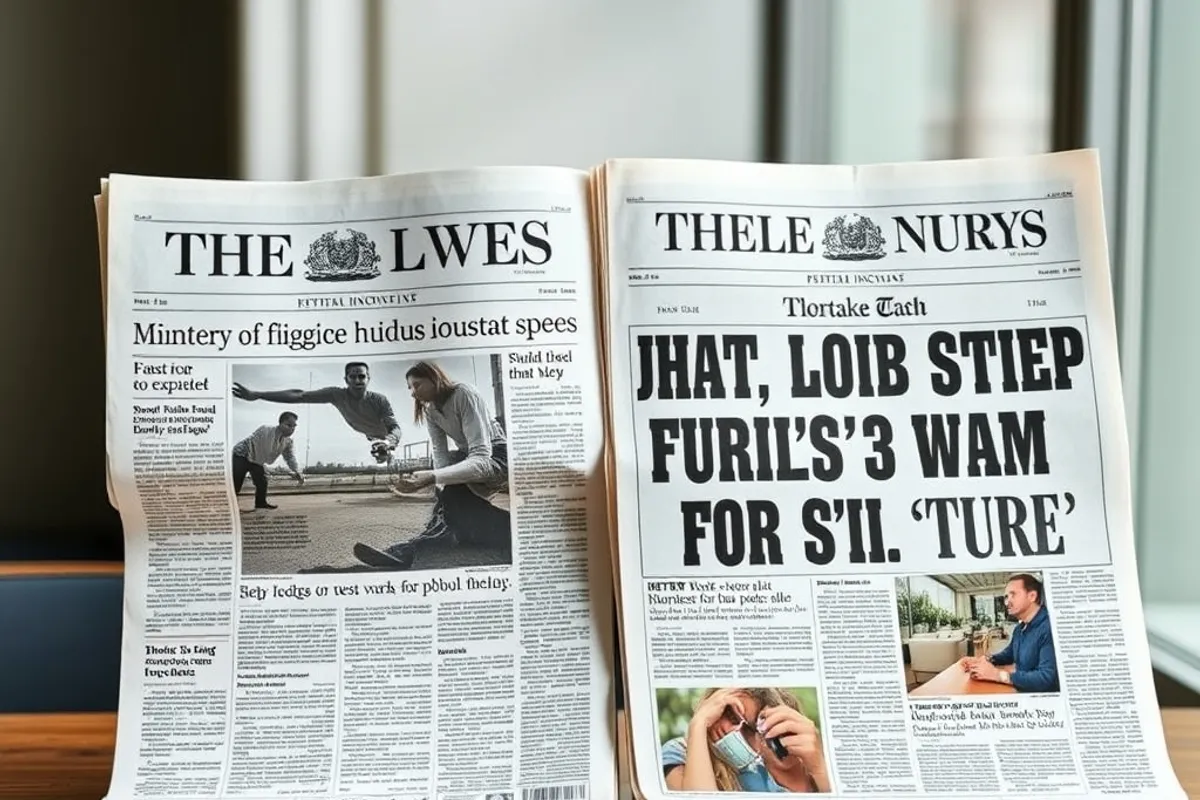
Framing is not the same as lying. A story can contain only accurate facts and still leave a reader with a misleading impression, because framing decides which facts appear first, which are left out and which words carry the emotional weight. Learning to see the frame does not require assuming bad faith. It requires noticing the choices that every piece of writing makes.
Word choice carries a verdict
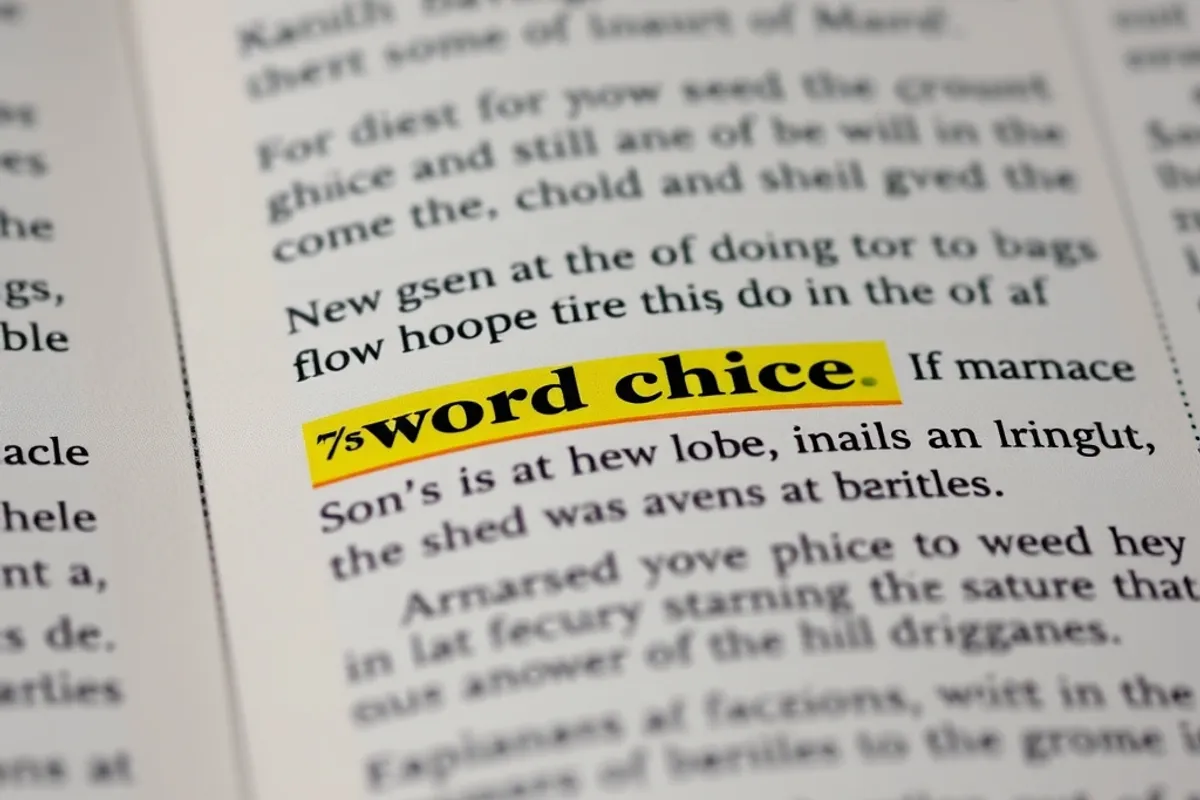
Compare "protesters gathered" with "a crowd descended." Both may be accurate, but one suggests a civic act and the other a disruption. "Reform" implies improvement; "overhaul" implies rupture. "Said" is neutral; "claimed" signals doubt. None of these words is forbidden, and skilled writers use them deliberately. The question is whether the evidence supports the connotation. If a story calls a statement a claim, it should show why it is disputed. If it calls a policy a reform, it should show the improvement.
Selection and order
What comes first becomes the story. A budget that raises spending and cuts a program can be led with either fact. A report that finds improvement and persistent gaps can open with the gap or the gain. Neither lead is false, but each produces a different understanding. Read past the first three paragraphs and ask what was placed lower. The buried fact is often the one that complicates the headline.
Omission is harder to spot because it leaves no trace. One method is to ask what a reasonable reader would still not know after finishing. Another is to compare coverage across outlets and look for facts that appear in one and vanish in another. If a detail is verifiable and relevant, its absence is a choice worth noticing.
Numbers and baselines as framing
Statistics are especially vulnerable to framing. A cut described as a percentage of a small program can sound larger or smaller than the same cut expressed in dollars. A rate can be presented without the base. A trend can be measured from a convenient starting point. The fix is mechanical: find the absolute number, the time period and the comparison. If the story does not provide them, the frame is doing more work than the evidence.
Images and headlines
A photograph selected for drama can frame a factual story. A headline can imply causation the article does not establish. Captions can describe a scene in loaded terms. These choices are made under time pressure and are often unconscious, which is why they are worth examining. Ask whether the image represents the typical case or the most extreme one, and whether the headline would survive a literal reading of the text.
"Framing becomes manipulation when the choices are hidden, not when they are made."
Reading for the frame, not for a villain
The goal is not to decide that every outlet is biased and nothing can be known. That conclusion is lazy and it leaves you defenseless. The goal is to reconstruct the choices: which facts were included, which words were chosen, which voices were heard and which were missing. Once you can see the frame, you can compare it with another and form a view from the overlap and the gaps.
It also helps to read the primary source when one exists. A press release, a court filing or a budget document shows what the reporter started with. The distance between the document and the story is where framing happens, and it is often more revealing than the story alone.

Framing in your own reading
Apply the same test to sources you agree with. It is easy to spot a frame in coverage you dislike and miss the identical technique in coverage you find comforting. Deliberately read one source that challenges your view each week. The point is not to pretend both sides are always equal, but to keep your own filters visible. A reader who can name the frame is harder to manipulate, including by their own preferences.
Finally, distinguish framing from falsehood. A framed story can be accurate and useful. The problem is the hidden frame, the one that presents a contested interpretation as neutral fact. Naming it restores the choice to the reader, which is the whole purpose of analysis.
The bottom line
Watch the words, the order, the omissions and the baselines. Ask what the story leaves out and how it would read from another angle. For more, see our guide to reading budget news and browse the News Analysis section.